STEAK MEMBERSHIP PROGRAM
A Taste of Canadian Terroir
Enjoy these steaks side by side to discover how geography shapes flavour. Each region offers its own expression of beef—different grasses, grains, climate, and farming practices all leave their mark. The differences may seem subtle at first, but tasting them together reveals the remarkable influence of terroir.
It's Canada, expressed one steak at a time.
THIS MONTH’S SELECTION
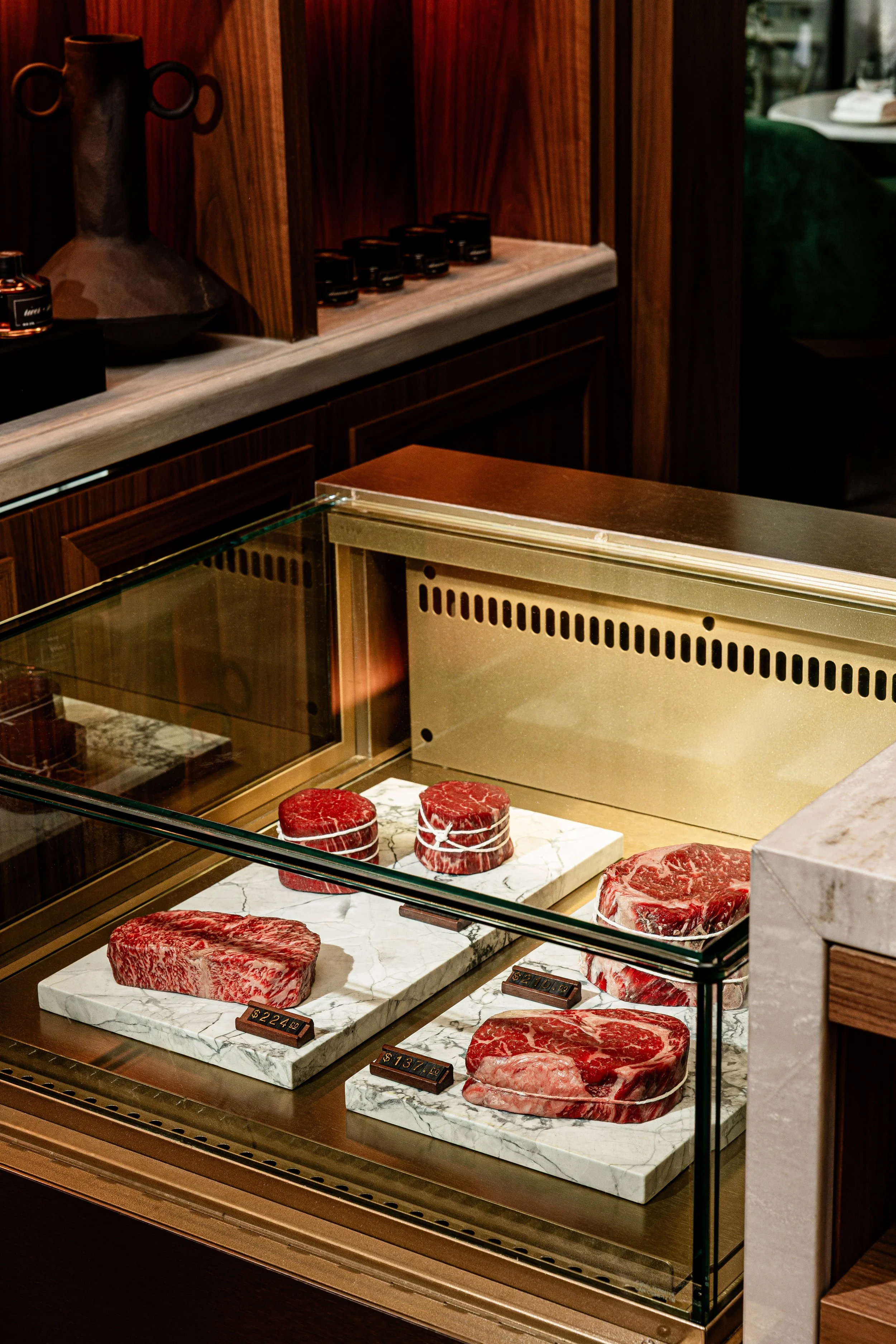
40-Day Dry-Aged 25 oz T-Bone, Prince Edward Island
There's a saying in Prince Edward Island that the salty Atlantic air seasons the grass before the cattle ever graze it—flavouring the beef from the inside out.
As Canada's potato capital, PEI is also known for incorporating fermented potatoes into cattle feed. Farmers like to joke that it's the equivalent of giving a cow a beer. Whether folklore or fact, one thing is certain: relaxed animals, careful farming, and exceptional pasture produce beautifully flavoured beef.
The Varietal Recommendation: Syrah
Specifically, a Northern Rhône style or cool-climate benchmark.
The Rationale:
PEI beef carries an underlying earthy, savoury character with a subtle salinity. A cool-climate Syrah makes for an unexpected yet natural pairing. Rather than overwhelming the beef with heavy oak or excessive weight, the wine’s signature notes of cracked black pepper, black olive, and savoury spice complement the beef’s distinctive maritime character.
Its medium-plus tannins provide enough structure for the striploin while remaining restrained enough to complement the more delicate tenderloin side of the bone.
Classic Examples:
Cornas, Côte-Rôtie, or a premium savoury, cool-climate expression from the Okanagan Valley.
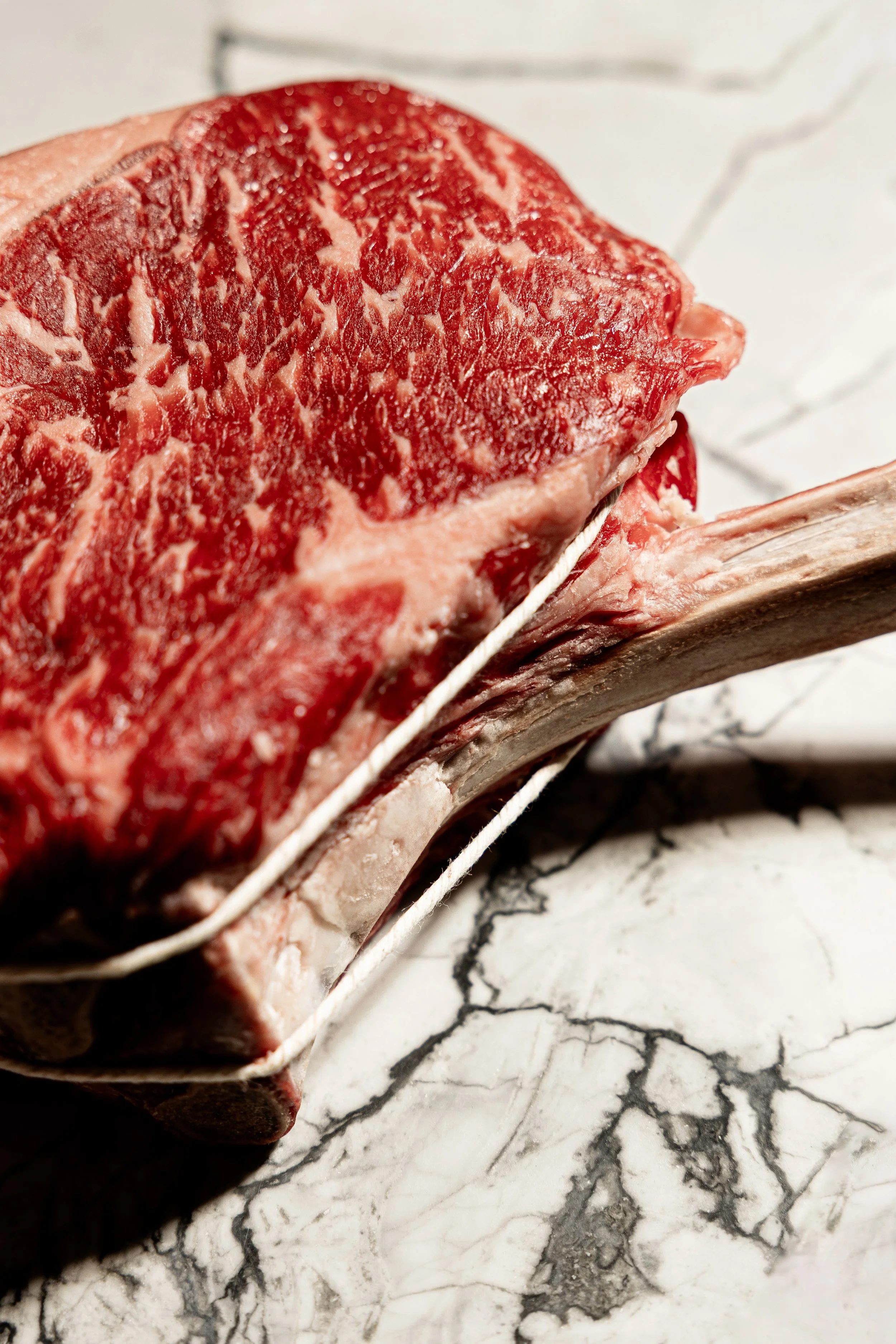
45-Day Dry-Aged 20 oz Texas Rib, Guelph, Ontario
Ontario is home to some of Canada's richest farmland, producing abundant corn, barley, sorghum, and other grains that contribute to outstanding beef. This time of year consistently delivers some of the province's finest cattle.
The "Texas Rib" isn't from Texas—it's named for its impressive size. A generously thick-cut, boneless ribeye, it's designed for those who appreciate a substantial steak with deep marbling and exceptional tenderness.
The Varietal Recommendation: Cabernet Sauvignon / Bordeaux Blend
Specifically, a Left Bank style.
The Rationale:
The richness of grain-fed beef calls for a wine with structure. Cabernet Sauvignon brings firm, architectural tannins and vibrant acidity that cut through the richness of the marbling and refresh the palate between bites.
The wine’s dark fruit profile—blackberry and cassis—along with classic notes of cedar, tobacco, and savoury spice, creates a compelling contrast to the sweet, buttery character of Ontario corn-finished beef.
Classic Examples:
Pauillac, Saint-Julien, or a structured, high-altitude Cabernet Sauvignon from Napa Valley.
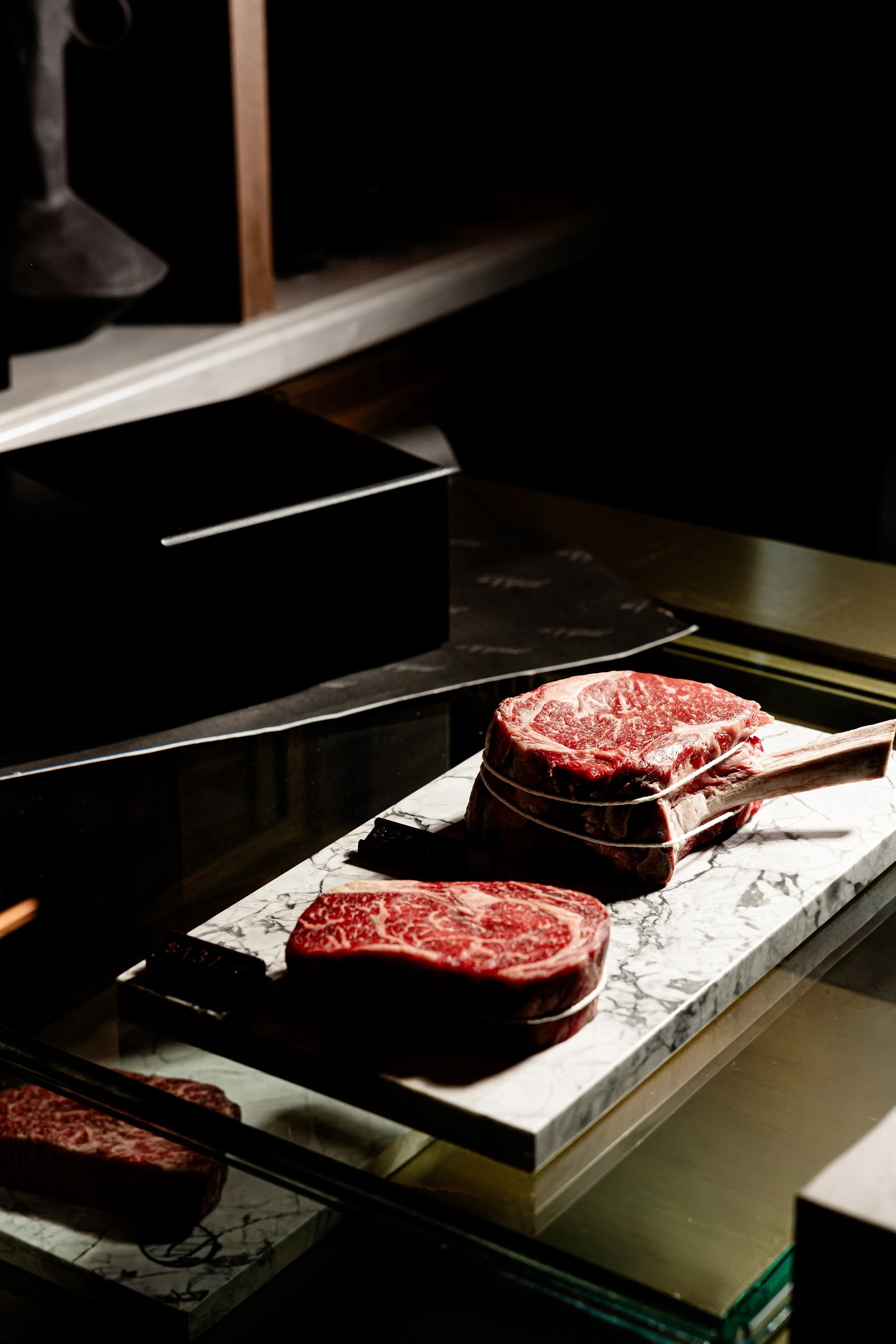
30-Day Dry-Aged 26 oz Bone-In Ribeye, High River, Alberta
The original wagyu from day one at Jacobs. This producer is known for their exceptional genetics and consistent quality. Grain finished for at least 400 days, this intensely marbled beef is buttery and slightly sweet. A family owned business for over 60 years, they have grown into the largest producer of wagyu in the USA, having dominated the genetics for wagyu this whole time.
The Varietal Recommendation: Nebbiolo
Specifically, Barolo or Barbaresco.
The Rationale:
A classic sommelier pairing. Alberta beef has a remarkably clean, honest character that doesn’t need to compete with heavy new oak. Nebbiolo brings high acidity and powerful, tightly wound tannins, alongside its signature profile of dried cherry, rose, leather, and earthy complexity.
The rich, rendered fat of a bone-in ribeye softens Nebbiolo’s firm tannic structure, allowing the wine’s depth and aromatic complexity to unfold with every bite. It’s a pairing rooted in contrast and balance—powerful enough for the ribeye, yet nuanced enough to let the character of the Alberta beef remain at the centre.
Classic Examples:
Barolo—particularly expressions from Serralunga d’Alba or Cannubi for greater structure and depth.